Author: admin

  • Commercial Electric Dough Flattener – Efficient and Accurate Small Dough Handling Equipment

    Commercial Electric Dough Flattener – Efficient and Accurate Small Dough Handling Equipment

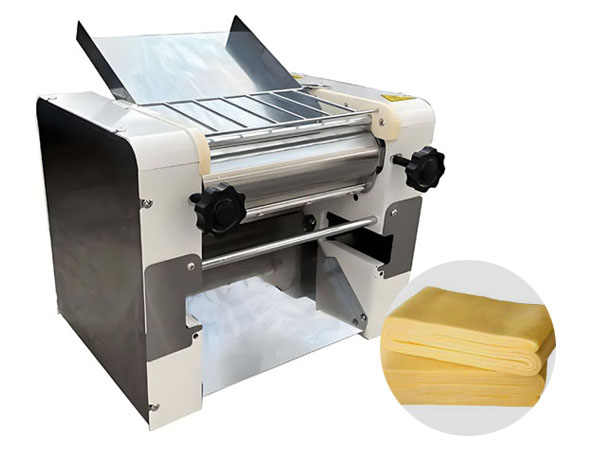
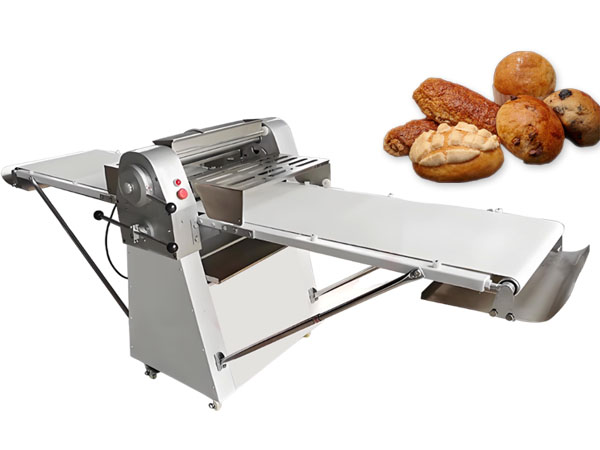
    Ideal for the food processing industry, this small commercial electric dough sheeter is especially suited to commercial kitchens that require efficient dough handling. Whether you are making pizzas, pastries or breads, it will help you flatten dough quickly and accurately. The machine is made of high quality stainless steel, which is durable and easy to clean and meets food safety standards.

    Commercial Electric Dough Sheeter

    Technical Parameter

    ModelABRM-350
    Voltage220V/380v
    Power2.2kw
    Capacity700kg/h
    Roller diameter110mm
    Roller width350mm
    Thickness5-25mm
    Size1140*630*1070mm
    Weight200kg

    Advantages of Dough Sheeter:

    • Efficient electric operation: no need to operate manually, saving labor cost and improving production efficiency.
    • Precise Thickness Adjustment: Dough thickness can be adjusted according to demand, ensuring uniform thickness of each piece of dough.
    • High quality stainless steel: meets food safety standards, durable and easy to clean.
    • Compact design: Suitable for small commercial kitchens, saving space.
    • Multi-functional application: suitable for pizza, pastry, bread and other kinds of pasta production.
    Antibacterial conveyor
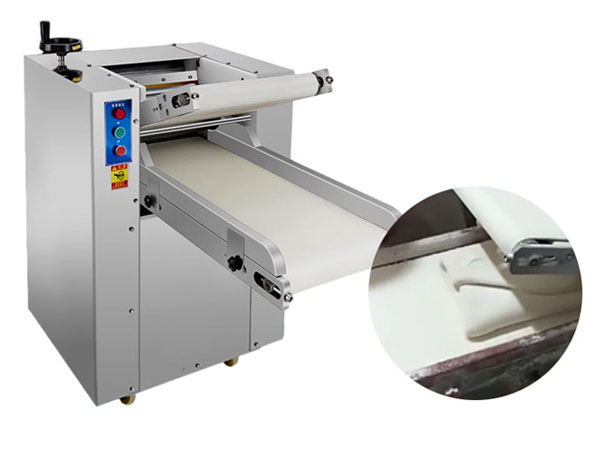
    The dough sheeter is equipped with white antibacterial conveyor belt, which has good anti-fouling performance, long service life, safety and hygiene.
    Adjusting lever of the dough sheeter
    Thickness adjustable, turn the adjusting lever of the pasta press to adjust the thickness of the crust, can make different pasta.

    The newly optimized and upgraded small commercial electric dough sheeter integrates automatic circulation, dynamic folding and efficient pressing functions. Simply place the dough on the conveyor belt, the machine will automatically complete the whole process of conveying, kneading, pressing and folding, reducing the direct contact between human and machine, thus effectively eliminating the hidden safety hazards and substantially reducing the labor intensity of workers.

    Application Scenarios

    Pizzeria: Quickly flatten pizza dough to ensure consistent thickness of each pizza.
    Bakery: Efficiently handle large quantities of bread dough to improve production efficiency.
    Patisserie: accurately control the thickness of pastry dough to ensure the quality of the finished product.

    Frequently Asked Questions

    Is this dough sheeter suitable for small restaurants?
    Yes, its compact design is perfect for small commercial kitchens.

    Is it easy to clean and maintain?
    The dough sheeter is made of stainless steel, making it very easy to clean and low maintenance.

  • The food machinery industry is getting more intelligent

    The food machinery industry is getting more intelligent

    Food machinery as a closely related to people’s daily lives in the field of manufacturing, its intelligent upgrade is not only the inevitable trend of technological development, but also to meet the urgent requirements of the modern food industry, high efficiency, safety, environmental protection needs. With the rapid development of artificial intelligence (AI), the Internet of Things (IoT), big data and other new generation of information technology, food machinery industry is ushering in unprecedented opportunities for change.

    cooking robot

    Technology-driven: intelligent empowerment of food machinery

    The intelligent upgrading of food machinery is mainly reflected in three aspects: equipment automation, data-driven and intelligent decision-making. Through the introduction of AI algorithms and sensor technology, food machinery can realize the whole process automation control from raw material processing to finished product packaging. For example, intelligent fruit and vegetable processing equipment can automatically sort different kinds of fruits through visual recognition technology and cut, clean and pack them according to preset parameters; intelligent pasta machinery is able to adjust processing parameters according to real-time data such as dough humidity and temperature to ensure the consistency of product quality.

    In addition, the application of Internet of Things (IoT) technology enables food machinery to realize interconnectivity between equipment and form intelligent production lines. For example, by deploying an intelligent baking production line, HuanYang Food Enterprises connects mixing, molding, baking and packaging equipment to a central control system, realizing real-time monitoring and optimization of production data, and increasing production efficiency by 30%, while reducing energy consumption by 20%.

    Market Trend: Intelligent Equipment Leads the Industry’s New Craze

    Driven by market demand, intelligent food machinery is gradually replacing traditional equipment and becoming the mainstream choice for the industry. Take the intelligent catering robot as an example, it is not only able to complete basic functions such as cooking and delivering food, but also analyze customer preferences through AI algorithms to provide personalized services. For example, after the introduction of intelligent stir-fry robots in Xiaotianxiang chain restaurant brand, the average daily output of a single store has increased by 40%, and the consistency of the taste of the dishes has been significantly improved.

    In the field of fruit and vegetable processing, the application of intelligent sorting equipment has significantly improved the processing efficiency and added value of products. For example, a fruit and vegetable processing enterprise in An adopts an AI-based intelligent sorting system, which is able to accurately grade fruits according to their size, color, and sugar level, and the product premium rate has increased by 15%. In addition, the popularization of emerging devices such as smart food carts and unmanned vending machines has brought new growth points to the food retail industry.

    International Competition: Technology Gap and Opportunities for Catching Up

    Relatively speaking, the United States, Australia, the Netherlands are quite advanced in the modernization of the food industry, and the penetration rate of food machinery intelligence is also relatively high. At the same time, under the upsurge of artificial intelligence, these enterprises took the opportunity of intelligence and digitization to continue to promote the updating and iteration of products and the continuous optimization and upgrading of quality through technological innovation, and their comprehensive competitiveness continued to increase.

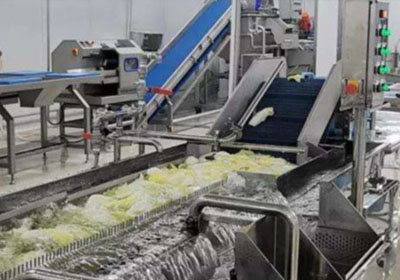
    vegetable processing line
    Commercial vegetable washing machine

    Future Outlook: Total Intelligence and Global Competitiveness

    Therefore, if China food machinery industry wants to compete with foreign superior companies and win the battle for future industry dominance, we must face the problems of low-end development trends and production capacity processes, adhere to technological innovation, increase R & D investment, and rely on intelligent manufacturing The major opportunities brought about by development will be fully intelligent in all aspects of production and management.

    In order to dominate global competition, China’s food machinery industry must adhere to technological innovation, increase R&D investment, and promote comprehensive intelligence in production and management. For example, through the establishment of smart factories, it can realize the digital management of the whole process from order receiving to product delivery, and improve the overall operational efficiency. In addition, industry enterprises should also strengthen cooperation with universities and research institutions to promote breakthroughs in core technologies and create an internationally competitive brand of intelligent food machinery.

  • Food packaging machine motor temperature is too high causes and solutions

    Food packaging machine motor temperature is too high causes and solutions

    In the process of packaging machine operation, the motor temperature is too high is a common but need to pay great attention to the problem. Excessive temperature will not only affect the normal operation of the equipment, but also may shorten the service life of the motor, and even cause safety hazards.

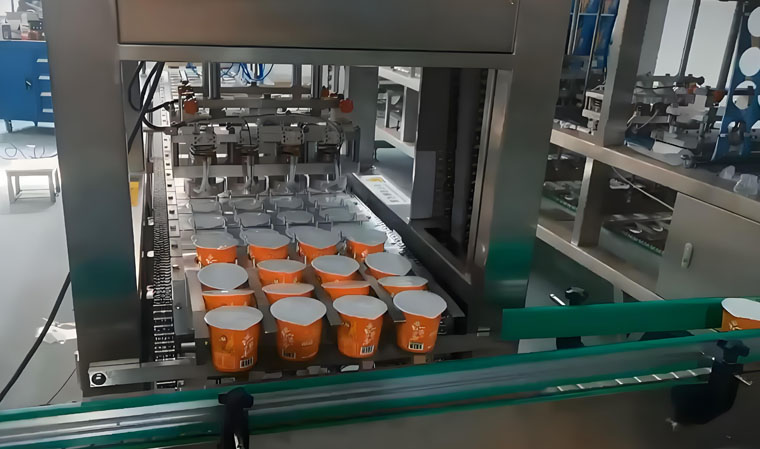
    Packaging machine

    The following are the main causes of high temperature of the packaging machine motor and its solutions:

    Packaging machine overload operation

    Motor overload operation is one of the common causes of high temperature. If the mechanical belt is too tight or the shaft is not flexible, the motor will be overloaded for a long time, resulting in increased heat generation.

    Solution:
    1.Check and adjust the tightness of the packaging machine drive belt to ensure it is in a reasonable range.
    2.Dismantle and check the mechanical equipment to make sure the shaft rotation is flexible.
    3.Adjust the load so that the motor runs under the rated load, and avoid overloading for a long time.

    High temperature working environment

    The high temperature of the working environment of the motor will directly affect its heat dissipation performance. For example, vacuum packaging machine motors that are exposed to direct sunlight, or ambient temperatures exceeding 40°C, or poor ventilation will result in higher motor temperatures.

    Solution:
    1.Build a simple sunshade for the motor to avoid direct sunlight.
    2.Improve the ventilation of the packer by using a blower or fan to enhance air circulation.
    3.Regularly clean the oil and dust in the motor air duct to ensure that the heat dissipation channel is smooth.

    Packaging machine bearing poor lubrication or stalling

    Inadequate lubrication or dried out grease in the motor bearings will result in increased friction, which in turn will cause localized temperature increases. If the temperature in the bearing area is significantly higher than other parts, it may be a sign of poor lubrication.

    Solution:
    1.Regularly check the packaging machine bearing lubrication to ensure that the grease is in the right quantity and of good quality.
    2.Replace aged or dried out grease and use lubrication products suitable for the motor’s operating conditions.
    3.Check the bearings for damage and replace if necessary.

    Ventilation system failure

    A motor with a blocked ventilation system or a radiator that has accumulated too much dust can seriously affect heat dissipation. In addition, excessively thick grease may prevent ventilation from dissipating heat.

    Solution:
    1.Clean the air ducts and radiators of the packer regularly to ensure that the ventilation system is unobstructed.
    2.Check the amount and condition of the grease to avoid over-thickness of grease affecting heat dissipation.
    3.Use compressed air or special tools to remove dust and debris inside the motor.

    Transmission system failure

    Transmission system failure (such as gear wear, belt slippage, etc.) will lead to uneven loads on the motor, or even jamming, thus causing a sharp rise in temperature of the packaging machine motor. If not dealt with in time, it may lead to burning out of the windings.

    Solution:
    1.Regularly check the operating status of the packaging machine drive system and replace worn parts in a timely manner.
    2.Ensure that the transmission belt is appropriately tightened to avoid over-tightening or over-loosening.
    3.Lubricate and maintain the transmission system to reduce friction and heat generation.

    Potato chips packing machine
    Potato chips packing machine

    Food packaging machine motor temperature is too high is a multi-factor problem. Through regular maintenance, reasonable adjustment of operating parameters and improve the working environment, can effectively reduce the motor temperature, extend the service life of the equipment, and ensure production safety. It is recommended that enterprises develop a detailed equipment maintenance plan and train professionals to regularly check and deal with potential problems to ensure the stable operation of the food production line.

  • When roasting nuts, choose an electromagnetic roaster or a gas roaster?

    When roasting nuts, choose an electromagnetic roaster or a gas roaster?

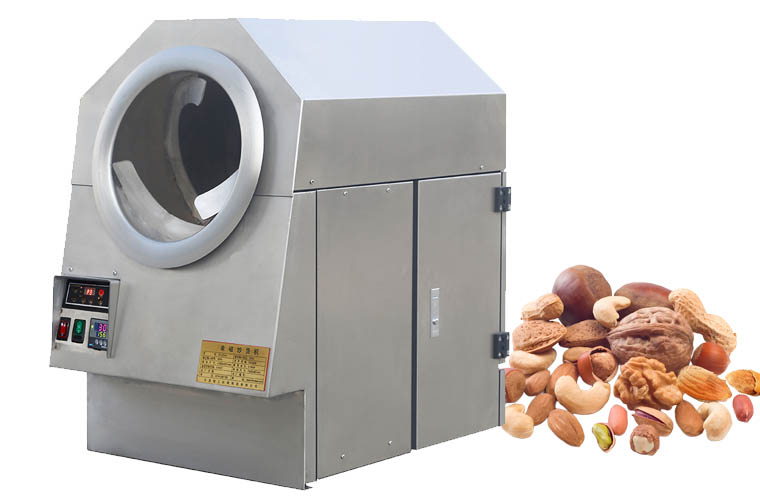
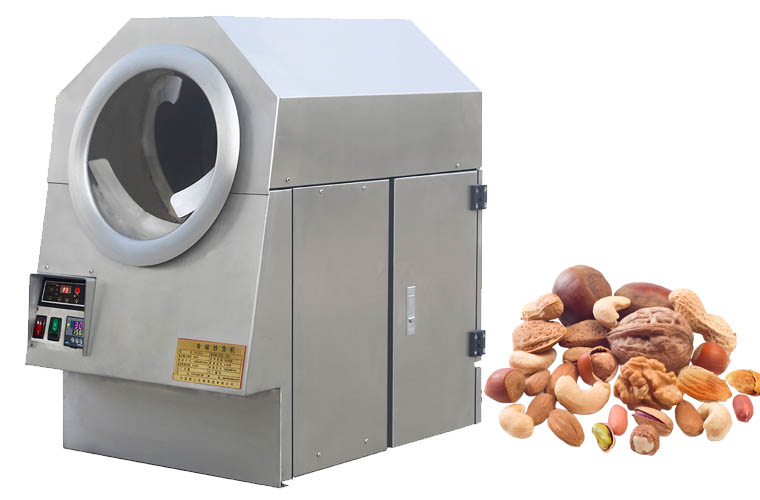
    When selecting a nut roaster, you need to consider your personal usage habits and budget. Electromagnetic roasters are characterized by their convenience, while gas roasters excel in energy saving and environmental protection.

    Electromagnetic roasting machine

    Electromagnetic roasting machine

    Advantages:
    Easy to operate:
    Electromagnetic roaster can be easily started by plugging in the electricity, and the temperature can be flexibly adjusted as needed.
    Rapid heating: Compared with gas roaster, electromagnetic roaster heating speed is faster, suitable for rapid production of fried malt, peanuts, melon seeds and other delicious fried goods.
    Energy saving and high efficiency: Compared with the traditional electric heating tube frying machine, the electromagnetic roaster can save up to 50% energy, which is a durable and environmentally friendly choice.

    Disadvantages:
    Higher energy consumption:
    Although energy efficient, its overall energy consumption is still higher compared to gas, so you need to pay attention to the circuit load.
    Higher cost: The initial investment cost is higher than gas roaster.

    Second, gas roasting machine

    Gas roasting machine

    Advantages
    Energy saving and environmental protection:
    Gas roaster uses liquefied petroleum gas or natural gas as fuel, which is economical and environmentally friendly.
    Low fuel cost: The price of gas is relatively low, the long-term use of the cost is more economical.

    Disadvantages
    Inconvenient to operate:
    Rely on gas bottles for gas supply, and pay attention to safety when handling and storing.
    Fire control: Need to manually adjust the fire, there are certain requirements for operating experience, which may affect the quality of fried goods.

    To summarize, whether to choose electromagnetic roaster or gas roaster, the key lies in your specific needs. If you are in pursuit of convenience and fast heating, electromagnetic nut roaster is the ideal choice; if you emphasize on long-term operating costs and environmental considerations, gas roaster is more suitable. Before you make your decision, be sure to weigh all the factors to ensure that you are purchasing the best baking equipment for your needs.

  • What is electromagnetic roaster?

    What is electromagnetic roaster?

    Electromagnetic roaster is a kind of high efficient frying equipment based on electromagnetic induction heating principle and equipped with intelligent automatic control system. Its working principle is similar to household induction cooker, but it is specially designed for baking and frying needs. Compared with the traditional electric heating roaster (such as electric stove wire heating, electric heat pipe heating, etc.), electromagnetic roaster shows five significant advantages:

    Electromagnetic Roaster

    1, high efficiency and energy saving

    Electromagnetic roasting machine adopts stainless steel pot body, and composite with high temperature insulation material, effectively reducing the heat radiation to the operating environment, improve the insulation effect. What’s more, the pot itself becomes a heat source, without the need to transfer heat through other thermal conductivity, so it warms up quickly, and the thermal efficiency is very high, usually up to 95% or more (while the traditional electric heating roaster’s thermal efficiency is only about 60%). This feature makes the roasting time greatly shortened, and at the same time reduces the friction between the baked products, protects the color of the appearance of the baked products, and improves the selling appearance of the products. Therefore, electromagnetic roasting machine in the energy-saving performance, compared with the traditional electric heating equipment can save power up to 45% or more.

    2, green environmental protection

    Electromagnetic roasting machine in the working process without open flame, so it has a high safety coefficient, effectively avoiding the risk of fire. At the same time, it realizes zero emission and does not produce any harmful gases, thus avoiding the pollution of air, fried products and working environment. This clean, hygienic and environmentally friendly feature makes the electromagnetic roasting machine become the preferred equipment for green production, and has been certified as “environmentally friendly and energy-saving products” by the relevant state departments.

    3. Intelligent control

    Electromagnetic roasting machine is equipped with intelligent automatic control system, the operator can freely set the baking parameters according to the actual needs. At the same time, the system is equipped with automatic fault diagnosis and display function, which makes troubleshooting clear at a glance. In addition, the intelligent temperature control system has a very high accuracy, usually up to plus or minus 2%, which effectively avoids the occurrence of frying paste phenomenon. This makes the fried products more uniform in quality and better in appearance. Even if the shift or change the operation, will not affect the quality of fried products.

    4, easy to operate

    Electromagnetic roasting machine operation is very simple and convenient, just one press the switch to start the operation. This design reduces the requirement of operator’s skills, so that one person can operate multiple devices at the same time, greatly improving the production efficiency. At the same time, the simple operation also reduces the operator’s labor intensity, making the work more effortless.

    5, the structure is reasonable and durable

    Electromagnetic roasting machine design adopts the structure of mechanical and electrical separation, effectively avoiding the mechanical rotation and vibration on the electrical parts of the wear and tear and impact. This design greatly extends the service life of the electromagnetic roasting machine, and reduces the possibility of failure. According to industry statistics, the average service life of traditional electric heaters and other wear parts is only about six months, while the service life of the electromagnetic roaster is far beyond this level.

  • Commercial Dough Sheeter | Roller Machines | Best Price

    Commercial Dough Sheeter | Roller Machines | Best Price

    This commercial dough sheeter is suitable for pressing and stretching dough to make all types of savory dough, croissants, pizza dough, and high-demand puff pastry. The main body is made of durable stainless steel and the rollers are made of seamless steel tubes, which are not only easy to clean and maintain, but also ensure that the dough sheets are extremely thin and evenly distributed. The conveyor belt of the dough sheeter is made of PU material imported from Korea, which has excellent abrasion resistance and is more comfortable to use. In addition, we offer a wide range of dough sheeter styles and sizes designed to meet your different production needs.

    Commercial Dough Sheeter

    Technical Parameter

    ModelR-380CR-450CR-520CR-650C
    NameDough SheeterDough SheeterDough SheeterDough Sheeter
    Volt220V/380V220V/380V220V/380V220V/380V
    Power0.55kw0.55kw0.55kw0.75kw
    Roling capacity3kg4kg5kg6kg
    Thickness range1-38mm1-38mm1-38mm1-38mm
    Roller size380mm450mm520mm650mm
    Conveyor table360*1700mm430*1700mm500*2160mm630*2400mm
    Dimension1780*810*1050mm1780*900*1060mm2150*950*1050mm2490*1080*1050mm
    Folding size800*680*1340mm900*680*1350mm930*680*1570mm1065*680*1690mm
    Package size930*750*1520mm1000*750*1550mm1030*750*1720mm1150*750*1820mm
    N/G.Weight170/190kg180/220kg190/230kg230/280kg
    Commercial Dough Sheeter

    The dough sheeter is known for its durability, high strength enamel coating and easy to remove scraping knife design, to protect your operation safety. A wide range of working position sizes are available to adapt flexibly to various scenarios. In addition, the foldable design of the machine greatly saves storage space, adding more convenience to your kitchen. The careful combination of top quality components has contributed to the high quality, sturdy construction and long service life of this dough sheeter machine.

    Features of commercial dough sheeter

    • High guality material: The dough sheeter is made of SUS430 stainless steel, which is durable and suitable for long-term high-intensity use.
    • Space-saving: Folding design, equipped with preset roll thickness control and foldable table, as well as retractable side table for more efficient space utilization.
    • Safety: The dough sheeter is equipped with safety guards, emergency stop switch and thermal overload protection device, guarding your operation safety in all aspects.
    • Wear-resistant conveyor belt: High-quality PU conveyor belt, wear-resistant, comfortable to use, no lint residue, ensuring the quality of dough.
    • Precise adjustment: Graded adjustment of the rollers by level meter, realizing precise control of the thickness. Special designed scraper, the thinnest pressing can be up to 1mm, to meet your fine needs.
    Stainless Steel Dough Bucket Mixing hook
    Superior to most similar machineson the market, the surface is drawn vertically and the dough is not sticky.
    Seamless Steel Tube Roller
    The surface is not sticky, not easy to scratch, reduces belt slippage, andis more conducive to the stable use of the belt.

    Dough Sheeter Application

    Our roller specializes in croissants, hand-torn breads, tarts, puff pastry and other pastries. It can also be used for dough pressing and is popular with restaurants, hotels, patisseries and bakeries.

    With this high capacity commercial dough sheeter, you can easily achieve fast stretching, flattening, cutting and pressing of dough. Whether it’s cookies, bread rolls or pizza crusts, it’s easy to create perfectly shaped finished products. Simply set the desired thickness, drop in a ball of dough and you have a smooth, flat dough. The dough on the dough sheeter can be reversed to roll quickly from either side of the machine, and the gap between the roller and conveyor belt is adjustable to meet your diverse needs.

    The Huayang dough sheeter is undoubtedly the ideal choice for restaurants, bakeries, pizzerias and hotels. Not only can it easily press and cut cookie dough, bread, doughnuts, fudge and spaghetti dough, but it can also simplify your food preparation tasks and improve work efficiency.

  • How to pick the perfect dough sheeter for your kitchen

    How to pick the perfect dough sheeter for your kitchen

    Choosing the right dough sheeter for your kitchen is essential for improving cooking efficiency and ensuring consistent food quality. Whether you run a small bakery, a busy restaurant, or simply love making homemade pasta at home, understanding the key features and selection elements of a dough sheeter will help you find the equipment that best meets your needs.

    Dough sheeter

    Here are some dough sheeter buying guidelines for your consideration.

    Size and Capacity

    The size and capacity of your dough sheeter is a primary consideration, especially if you have limited space in your kitchen or need to make large batches of pasta. There are many types of dough sheeter, ranging from space-saving countertop models to powerful floor standing models. It’s important to choose a dough sheeter that will fit your kitchen layout and meet your production needs.

    Small business or home use: A compact countertop dough sheeter such as the YL-S20 is recommended for small bakeries with limited space.
    High production needs: If you have a larger operation, consider a large floor-standing dough sheeter, such as the R-450C automatic dough sheeter or the ABRM-350 dough sheeter, which are designed to handle large quantities of dough and have automatic versions for unmanned operation.

    Commercial Dough Sheeter
    R-450C Commercial Dough Sheeter

    Thickness adjustment.

    Thickness adjustment is one of the core features of the dough sheeter, as different noodle recipes require different thicknesses. Whether you’re making hair-thin vermicelli or broad udon noodles, precise thickness control ensures consistency.

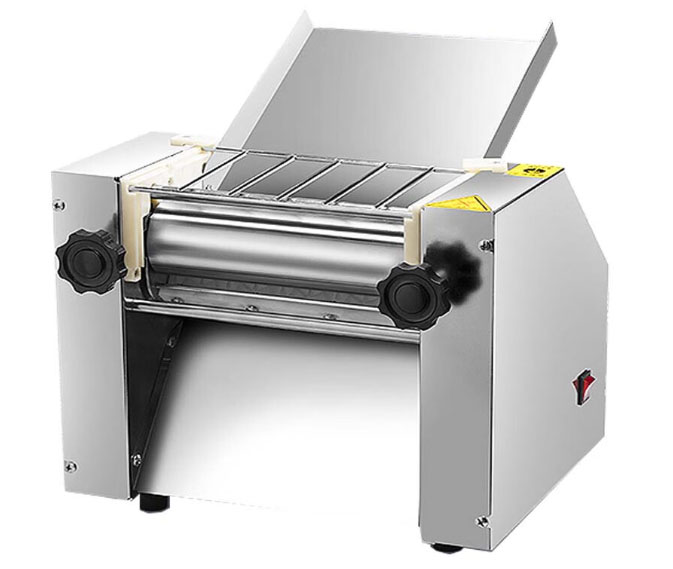
    Look for adjustable rollers: Choose a dough sheeter with a clear thickness scale and adjustable rollers, such as the ABRM-350 Countertop Noodle Press, which will meet your diverse cooking needs and ensure even, high-quality noodles every time.

    Speed and efficiency.

    In a kitchen environment, speed and efficiency are directly related to productivity and profitability. A dough sheeter with variable speed settings and a high throughput simplifies the operation, allowing your team to produce pasta quickly and consistently.

    High-efficiency motors: Choose a dough sheeter with a high-efficiency motor and smooth operation that can handle large amounts of dough with ease, reducing set-up time and giving employees more energy to focus on other tasks.
    Evaluate throughput: Make sure the throughput of the machine you choose meets your production requirements.

    Durability and build quality.

    Durability and build quality are critical for commercial kitchen equipment, and dough sheeters are no exception. Frequent use requires that the equipment is made from quality materials, such as stainless steel, known for its strength, wear resistance and corrosion resistance.

    Invest in durable equipment: choosing a durable dough sheeter ensures it can withstand daily use and maintain consistent performance. Models with robust construction have a lower failure rate, saving maintenance costs and time in the long run.

    Ease of use and maintenance.

    A user-friendly dough sheeter simplifies operation, especially in a fast-paced work environment. Look for machines with intuitive controls, clear instructions and easy operation.

    Simplified operation: A dough sheeter with a clean design can shorten the learning curve for new employees and increase overall efficiency.
    Easy to maintain: Choose machines that are easy to disassemble and clean to minimize downtime and ensure sanitation. This is critical for food preparation equipment.

    Other considerations.

    Versatility: Some dough sheeters can also be used to press dough, such as rolling out pastry or pizza dough, for multi-purpose use.
    Budget: while the initial investment for a high-quality dough sheeter may be high, it usually offers better long-term value due to its durability and low maintenance costs.
    Brand and Warranty: Choose a dough sheeter with a well-known brand and one that offers good customer support and warranty for added peace of mind.

    Choosing the perfect dough sheeter requires a combination of your kitchen needs, space and production goals. By evaluating factors such as size, thickness adjustment, speed, durability, ease of use and more, you can invest in a dough sheeter that is both efficient and delivers consistent, high-quality results. Whether you run a small bakery, a busy restaurant or cook gourmet meals for family and friends, the right dough sheeter will add endless possibilities to your culinary creations!

  • What is a Dough Sheeter?

    What is a Dough Sheeter?

    Dough sheeter is a specialized piece of industrial equipment used to efficiently roll dough into consistent sheets. Such machines are widely used in restaurants, bakeries and other food production places to save time and increase productivity, especially when dealing with large quantities of dough for products such as pastries, pasta and pizza.

    In professional kitchens, dough sheeters are sometimes referred to as pizza dough rollers or bread rollers, depending on their primary use. It streamlines the production process and ensures consistent quality of baked goods, similar to making dough by hand, but with much less effort. By reducing manual labor and increasing efficiency, a dough sheeter can greatly improve the profitability of a bakery or restaurant.

    Types of dough sheeter and their scenarios of application:

    Manual dough sheeter: these types of dough presses rely on manual operation, where the dough is pressed by human power to drive the pressing rollers. Due to their ease of operation and small footprint, manual dough sheeters are perfect for smaller bakeries that are looking for a delicate craftsman feel or for baking enthusiasts who need to handle their dough with care and attention. In addition, a manual dough sheeter allows the baker to get a better feel for the texture and variation of the dough during operation, allowing for precise control of the baking process.

    Automatic dough sheeter: Compared to manual dough sheeters, automatic dough sheeters are electrically powered, allowing them to process large quantities of dough more quickly and efficiently. These machines are usually equipped with adjustable press thickness and speed settings, giving the baker the flexibility to adjust to different dough types and baking needs. As a result, automatic dough sheeters are ideal for high-volume bakeries or commercial baking environments where large quantities of dough pressing need to be done quickly.

    Floor-standing dough sheeter: Representing large machines, floor-standing dough presses are usually bulky and stationary. They are designed to meet the needs of commercial bakeries or large bakeries with extremely high production demands. Not only do floor-standing dough sheeters have a powerful dough handling capacity, they are also often equipped with advanced automation systems that can further improve productivity and baking quality.

    Commercial Dough Sheeter

    Countertop dough sheeter: Compared to the floor press, the countertop dough sheeter is more compact and lightweight, and can be easily placed on a countertop. These machines are suitable for smaller, less frequent bakeries or home baking enthusiasts. Not only are countertop dough sheeters easy to operate and maintain, they also provide consistent dough pressing results in a limited space.

    How a dough sheeter works

    A dough sheeter, compresses dough between two or more carefully designed rotating rollers to achieve uniform pressing and shaping of the dough. The working principle is as follows:

    Placing the dough: First, the baker carefully prepares a piece of dough and places it between the two rotating rollers of the dough sheeter. This ensures that the dough is able to enter smoothly between the rollers to avoid breakage or deformation during the pressing process.
    Compression process: As the dough sheeter starts, the rotating rollers begin to turn slowly. Under the pressure of the rollers, the dough is gradually flattened to form a layer of uniform thickness.
    Thickness adjustment: To ensure that the thickness of the dough sheeter meets specific baking requirements, the dough sheeter is usually equipped with a measuring roller or conveyor belt. This device accurately measures the thickness of the dough and adjusts the spacing of the rollers to ensure that each piece of dough is the desired thickness.
    Forming and cutting: The pressed dough can be further formed and cut as needed. For example, it can be cut into round, square or other shapes to suit different baked products. In addition, some advanced dough sheeters are equipped with automatic molding and cutting devices, which can complete multiple steps at once and improve production efficiency.

    Application of dough sheeter

    The applications of dough sheeter are very wide, not only limited to traditional bread and pastry making. Here are a few typical application scenarios:

    Pizza Dough Rollers
    Pizza Dough Sheeter Rollers

    Pizza crust making: With the dough sheeter, the dough can be easily pressed into a thin and even pizza crust, providing a solid foundation for making delicious pizza.
    Pastry making: For pastries that require fine dough, the dough sheeter ensures uniformity and fineness of the dough, resulting in more flavorful pastry products.
    Pie crust production: Whether it is a fruit pie or a meat pie, the dough sheeter helps the baker to produce a pie crust with uniform thickness and fine texture.
    Industrial bakery applications: dough sheeters are even more indispensable in large bakeries. They are able to handle large quantities of dough and produce bread products in a variety of shapes quickly and efficiently. In addition, some state-of-the-art dough sheeters are able to handle sticky or highly hydrated doughs, such as Chabata bread, further broadening their range of applications.

    The dough sheeter has become an essential and important tool in the baking world. Bakers will be able to easily meet a variety of baking challenges and produce more flavorful and sophisticated baked goods.

    Advantages of using a dough sheeter

    In the baking industry, dough sheeters have become an indispensable right-hand man for many bakers and baking enthusiasts due to their efficiency, precision and versatility. Here are a few of the significant advantages of using a dough sheeter:

    Standardized production to ensure consistent quality

    The dough sheeter ensures that the thickness of the dough is always consistent, resulting in baked products with uniform results and a delicate flavor. This standardized production not only enhances the professional quality of the product, but also ensures a balanced taste in every bite. Compared with manual dough sheeting, the dough sheeter eliminates problems such as uneven thickness and differences in taste caused by improper human handling, making baking more reliable and stable.

    Precise control of raw materials to optimize cost-effectiveness

    With a dough sheeter, bakers can precisely manage recipes, quantities and production methods to achieve precise control of raw materials. This not only helps to reduce waste, but also optimizes cost-effectiveness, getting the most out of every raw material. In addition, the automated operation of the dough sheeter reduces the reliance on manual operations, further reducing production costs.

    Significantly higher productivity and shorter working hours

    Compared to manual dough sheeting, a dough sheeter can significantly reduce labor time and effort. It is able to process large quantities of dough quickly and efficiently in a short period of time, thus significantly increasing productivity. This efficient production method not only allows bakers to easily cope with high-demand production environments, but also provides them with more time and energy to focus on other important aspects of baking.

    Highly adaptable to meet diverse needs

    The dough sheeter is remarkably adaptable, capable of handling a wide range of dough types, including sticky and high-moisture varieties like Chabata. This versatility allows bakers to easily cope with a wide range of complex baking needs, resulting in richer and more varied baked goods.

    Versatility for personalization

    Dough sheeters are often equipped with a variety of adjustable settings, such as thickness adjustment and speed adjustment, to accommodate different baked goods. This versatility allows bakers to create unique baked goods by personalizing them according to personal preferences or customer needs.

    Enhance dough quality and maintain delicate texture

    The dough sheeter maintains the integrity of delicate dough by applying uniform pressure, avoiding problems such as uneven thickness and air bubbles that often occur with manual pressing. This uniform pressure not only enhances the quality of the dough, but also ensures that the baked product has a fine, even texture.

    Care and Maintenance of the Dough Sheeter

    After each use, be sure to thoroughly clean the drum and surrounding area to prevent dough residue and buildup. These residues will not only affect the quality of the dough for the next use, but may also cause corrosion and damage to the equipment. During cleaning, avoid using abrasive cleaners or hard brushes that may scratch the machine surface or damage parts. It is recommended to use a mild detergent and a soft cloth for wiping to ensure the surface of the equipment is clean and smooth.

    When the dough sheeter is not in use, it should be placed in a clean, dry and well-ventilated place to prevent rust and contamination. A dust cover or cloth cover can be used to cover the equipment to minimize the intrusion of dust and dirt. Avoid exposing the equipment to humidity, high temperature or corrosive environment to avoid damage to the equipment.

  • Pizza Dough Rollers & Sheeters

    Pizza Dough Rollers & Sheeters

    The YP-120 dough roller or sheeter easily produces up to 220 sheets of even, smooth dough per hour, whether it’s pizza dough, bread or pastries. Simply preset the ideal thickness, place the ball of dough inside the machine and get the ideal perfect dough at the touch of a button.

    YP-120 dough roller
    ModelYP-120
    Voltage220V
    Power0.37KW
    Pizza thickness2-10mm
    Pizza diameter10-30cm(3-12 inch)
    Dough weight50-500g
    Machine weight42kg
    Machine size495*490*640mm

    The pizza dough roller is equipped with a powerful 370W all-copper motor with automatic overload protection to ensure safe and worry-free operation. Its wide rollers are designed to easily handle dough sizes from 3 to 15 inches, and with adjustable thickness settings, it can flexibly produce dough with thicknesses ranging from 1mm to 6mm to meet diversified needs. The body is made of food-grade stainless steel, which is not only anti-rust and anti-corrosion, but also easy to clean and maintain, and is suitable for noodles, pizza, bread and pasta and other food production equipment.

    YP-120 pizza dough roller
    YP-120 pizza dough roller

    Advantages of YP-120 pizza dough rollers :

    Advanced craftsmanship: low noise, smooth operation, high efficiency and energy saving, bringing your kitchen an unprecedented experience of using the machine.
    Fast pressing: Semi-automatic design simplifies the operation process, the dough is automatically or manually turned to the lower roller after it is put in, and the round pizza dough is shaped quickly.
    Powerful performance: 370W all-copper motor drive ensures an impressive output of up to 220 dough slices per hour. Well-designed ventilated housing dissipates heat effectively and prolongs machine life.
    PRECISE ADJUSTMENT: Equipped with dual thickness control knobs, easily adjust the dough thickness to 2 to 10 mm, wide rollers adapt to 3 to 12 inches dough to meet various pizza size requirements.
    High-quality materials: the dough sheeter is made of stainless steel body, corrosion-resistant and easy to clean, in line with food safety standards; PC material protective cover, effectively blocking the dust, to protect the operation safety.
    Wide range of uses: Suitable for cake stores, western restaurants, supermarkets, hotels and many other occasions, whether it is thin slices, pizza dough, shortcrust pastry, bread molds or pie crusts, it can be easily made to meet the needs of family and business.
    Optional accessories: The YP-120 pizza dough roller offers a pedal control option to further enhance the ease of operation.

    Pizza

    The YP-120 pizza dough roller & sheeter is ideal for improving efficiency and consistency of output in your restaurant. We offer a wide range of dough sheeter styles and sizes to flexibly accommodate a variety of production needs.