
In recent years, vegetable washing machines (also known as fruit and vegetable washers) have become a popular kitchen appliance among health-conscious consumers. These devices claim to remove up to 99% of pesticides, bacteria, and hormones. But how exactly do they work? Is this technology worth the investment? or is it just a “smart tax”?
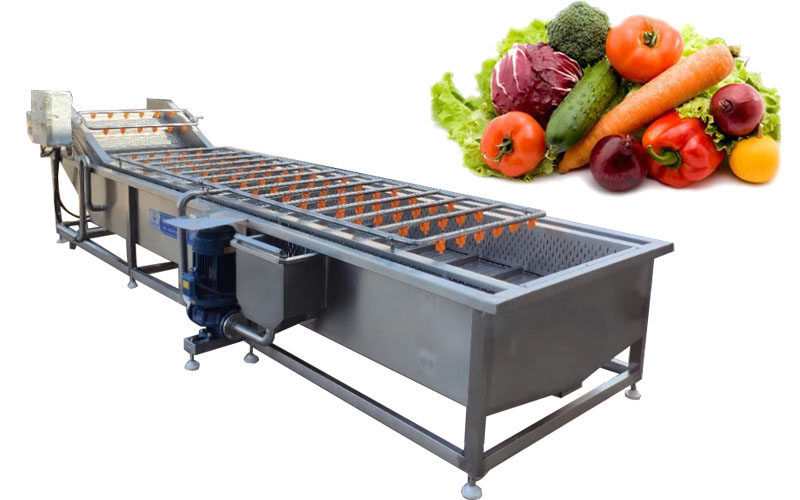
Core Technologies of Vegetable Washing Machines
Currently, there are three main types of fruit and vegetable washers on the market. Each uses a different mechanism to remove contaminants.
1. Ozone (O₃) Sterilization Technology
How it works: The machine generates ozone (O₃) through high-voltage discharge. Ozone is a powerful oxidizing agent that breaks down the chemical bonds of organophosphate pesticides, converting them into harmless substances.
- Advantages: Highly effective sterilization (up to 99% sterilization rate) and odor removal.
- Disadvantages: Inhaling ozone can irritate the respiratory tract; prolonged use of ozone may destroy vitamin C in leafy greens.
2. Ultrasonic Cavitation Technology
How It Works: High-frequency vibrations (typically 40 kHz) create millions of tiny bubbles in the water. When these bubbles burst, they generate shock waves that physically dislodge dirt and pesticide residues from crevices.
- Advantages: Best suited for cleaning rough-surfaced fruits and vegetables such as broccoli, strawberries, and grapes.
- Disadvantages: Limited chemical degradation capability; primarily a physical cleaning method. Noise levels increase with higher power settings.
3. Hydroxyl Radical (·OH) Water Ion Technology
How it works: The device electrolyzes tap water to produce highly reactive hydroxyl radicals. These radicals break down pesticides, hormones, and bacteria into CO₂ and H₂O .
- Advantages: Chemical-free (uses only water), no harmful residue, no smell.
- Disadvantages: Weaker cleaning power for heavy surface dirt (mud/sand); requires longer cycles
4. Hybrid Composite Technology
How it works: High-end models combine Ultrasonic + Hydroxyl technology. The physical scrubbing works in tandem with chemical oxidation.
- Advantages: The most thorough cleaning rate (often >90% for specific pesticides).
- Disadvantages: Higher price point (often $200+).
How to Choose the Right Vegetable Washing Machine
To ensure you purchase a high-quality unit, check the following specifications:
- Look for “Hydroxyl” or “Electrolysis”: If you are sensitive to odors, avoid inexpensive, outdated models that rely solely on ozone technology. Hydroxyl technology is better suited for indoor use.
- Check the power (watts): For ultrasonic cleaners, higher wattage means better cavitation effects, but also more noise.
- Wired vs. Wireless: While wireless portable cleaners are convenient, they have lower power (resulting in weaker cleaning performance). Wired cleaners typically offer better water flow and electrical stability.
- Certification: Look for test reports certified by CMA or CNAS, paying particular attention to the stated degradation rates for chlorpyrifos and dichlorvos.
To maximize the equipment’s lifespan and ensure your safety:
- Pre-rinse: Before placing food in the machine, be sure to rinse off heavy dirt or grime from the surface of the food. Dirt can clog the ultrasonic transducers or reduce the contact area for ozone.
- Soaking time: Do not exceed 15 minutes. Soaking for too long does not necessarily mean the food will be cleaner; instead, it may damage leafy greens.
Frequently Asked Questions (FAQ)
Q: Can a vegetable washer remove 100% of pesticides?
A: No. No device can guarantee 100% removal of pesticides, especially systemic pesticides that are absorbed by plants. However, high-quality models can remove over 95% of surface residues.
Q: Are ozone residues harmful to health?
A: Ozone breaks down into oxygen within 30 minutes. However, do not open the lid during operation to avoid inhaling high concentrations of ozone gas.
Q: Can I use a vegetable and fruit washer to clean meat?
A: Unless the machine is equipped with a “dual-tank” or “meat” mode, it is not recommended to wash meat in a vegetable and fruit washer. Washing meat may cause bacteria to splash throughout the kitchen.